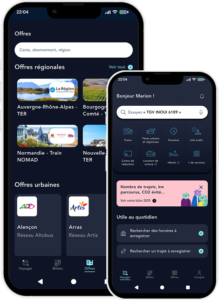
I conducted a UX Audit and Research, on an app that has a bad reputation: SNCF Connect. It is a well-known French train ticket booking platform. It’s the most important one, because SNCF is the state-owned railway operator.
I know, it’s a bit of a classic among case studies, but as someone who has their sights set on foreign countries, I wanted to focus on a French example for once. Having had an unpleasant experience with the app, I decided to throw myself into it, adopting several methods to study the app’s usability issues with a keen eye and ear. Is its bad reputation deserved? We’re going to find out.
Even though the application has been improved a bit lately, users’ opinions remained the same in the reviews: the information architecture is complex, the whole booking journey is overly long and the user flow isn’t intuitive. I selected SNCF Connect as a case study because as a frequent user, I had several bad UX experiences over the years. For instance, while booking a train, I was redirected to my bank to confirm the payment, but SNCF Connect crashed every time and I had to restart the whole process from scratch. It led to frustration.
UX Audit
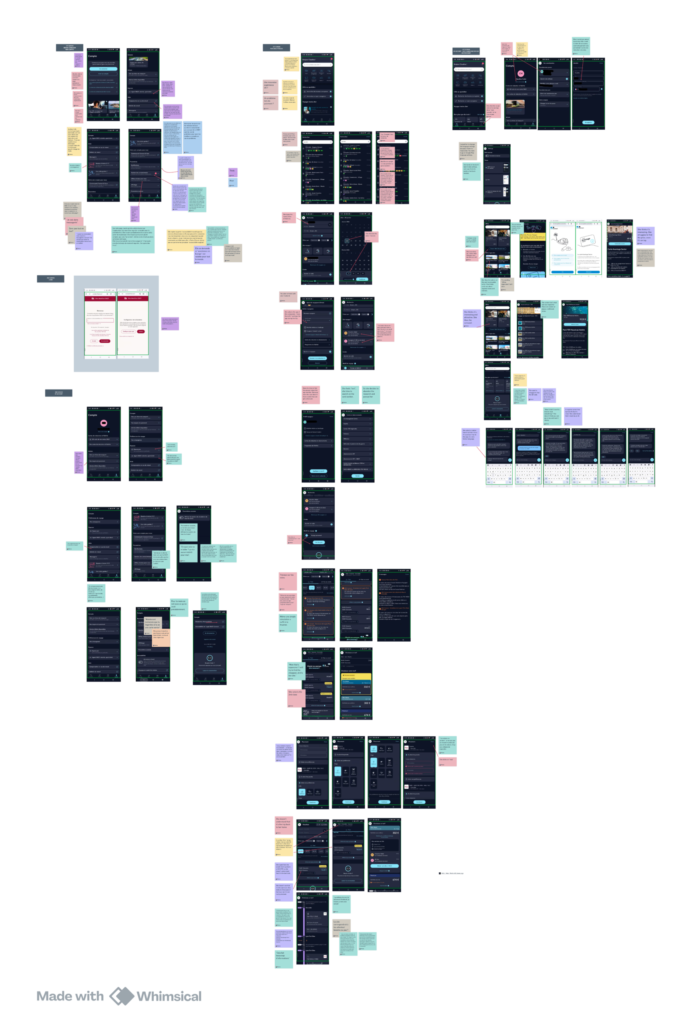
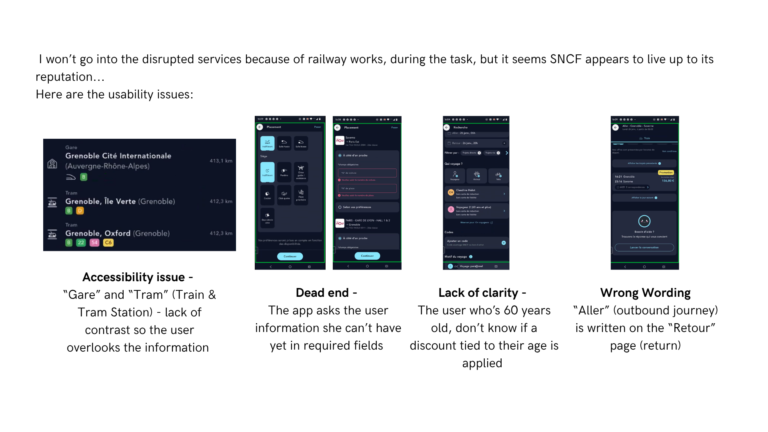
By conducting a UX Audit and reading customer reviews, I detected several issues: findability issues
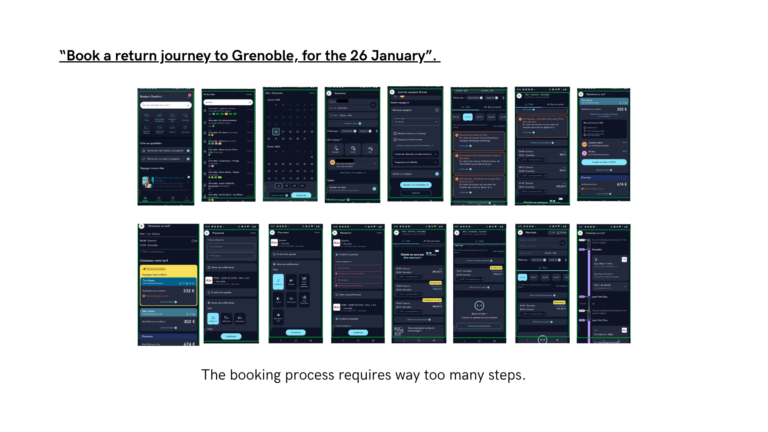
Long booking flow
Poor information architecture
Content dead ends
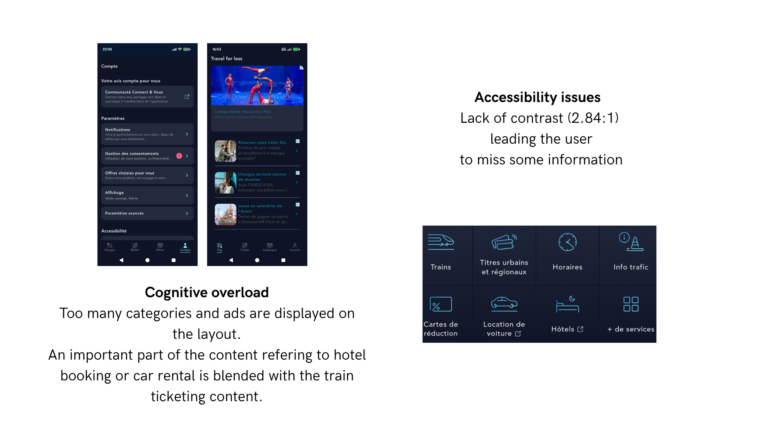
Cognitive overload
Low memorability
Accessibility issues
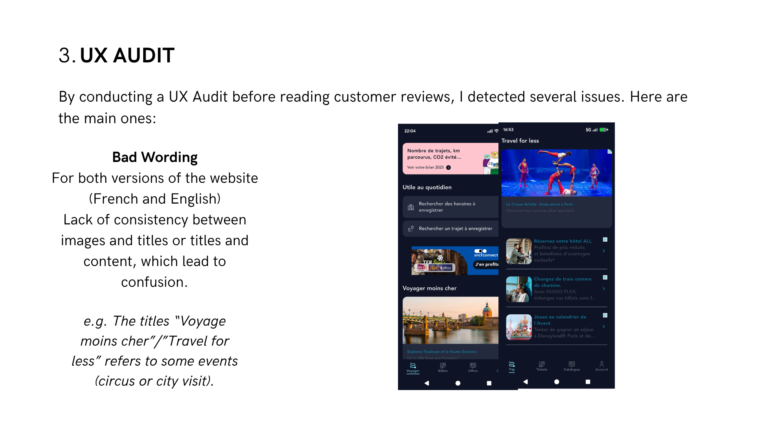
Bad wording
Interview
The target audience is extremely broad in the case of this application. I conducted an interview and a usability test with a woman in her 60’s. I used Zoom, a double recording and asked her the following questions:
Before we begin, would you mind telling me a bit about yourself?
Do you take the train with your friends, family or alone ?
How many times have you taken the train in the last 3 months?
Tell me the last time you bought a ticket via the app?
How do you feel when scrolling on the app?
What do you value when you’re making an online ticket purchase ?
What motivates you to do it? What do you expect the most?
If so, what’s the main reason that led you to buy this ticket?
If needed, what reassures you (refund policies, reviews, SM posts)?
Tell me about a time you had a bad user-experience buying a ticket online. Why?
What are the pain points of using the website?
Does the site feel tailored to your expectations & needs?
Do you notice anything on the website that didn’t align with what you expected or that didn’t support your needs?
Have you ever used this app to book a hotel or to rent a car? Why or why not?
Book a trip to Grenoble, on Monday the 26th of January.
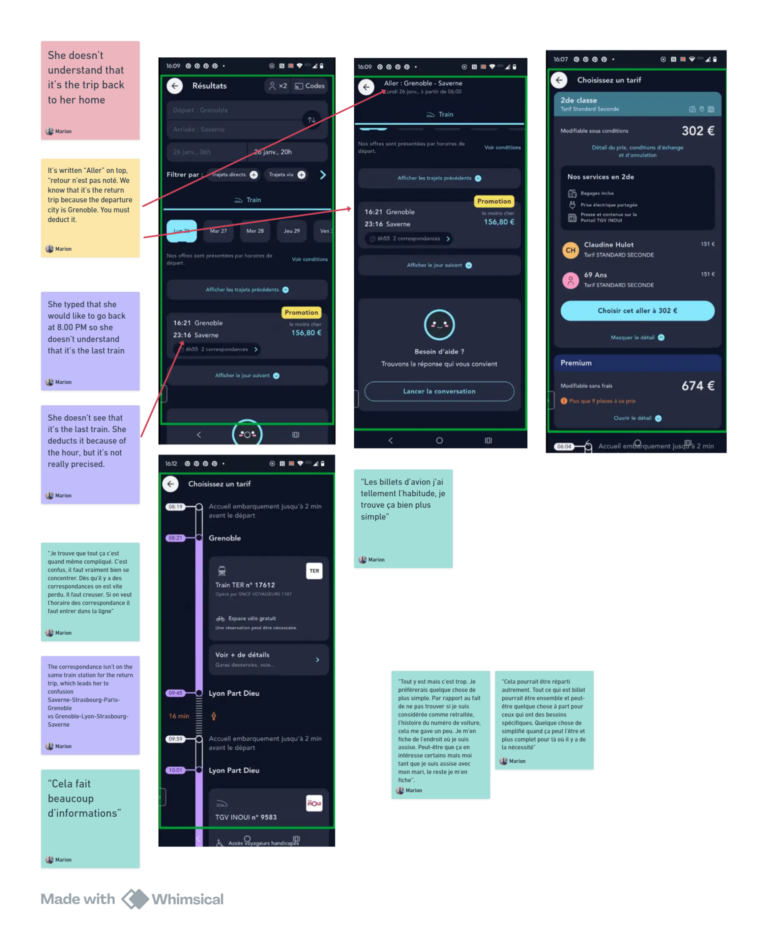
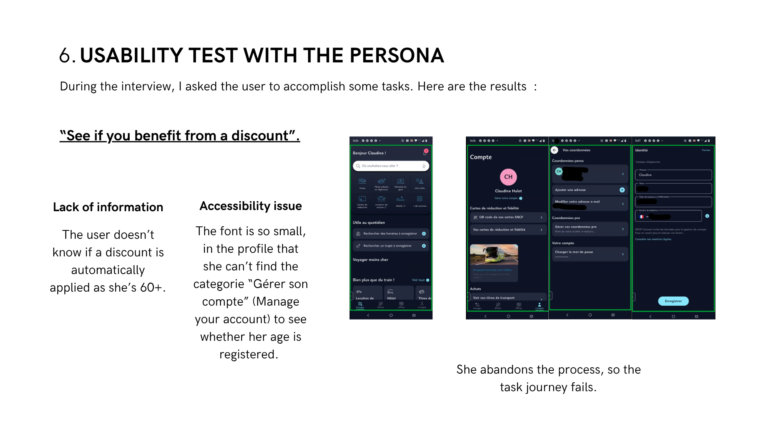
Usability Test
Empathy Map
What I found particularly interesting in this study was seeing how even someone who was initially convinced by a service could quickly show signs of rejection. The biases that had taken root in the user quickly became entrenched. We know that it is difficult to undo a negative image once it has become firmly established.
Here is a quick overview of our user’s experience with the product :
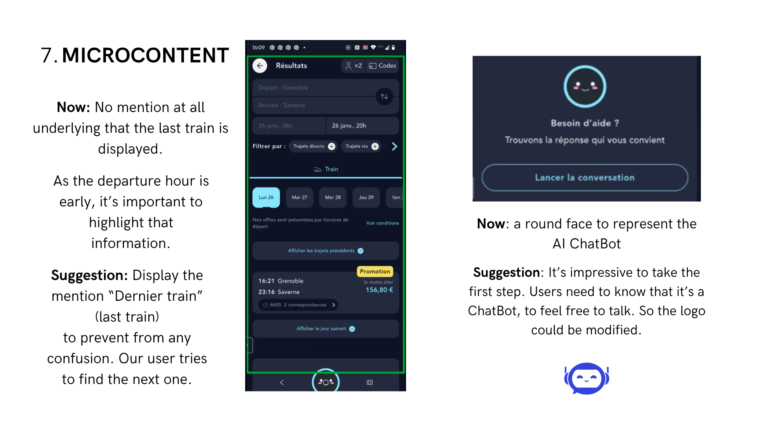
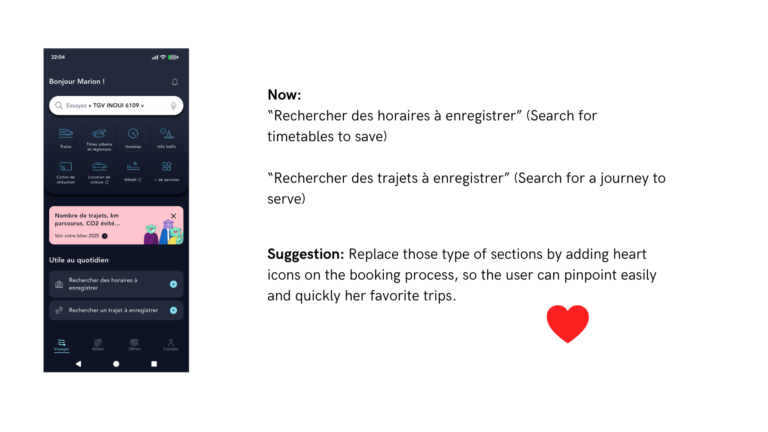
Microcontent
I chose three examples of Microcontent from SNCF Connect and revised them. These small modifications help transform a painful experience into a smoother one.